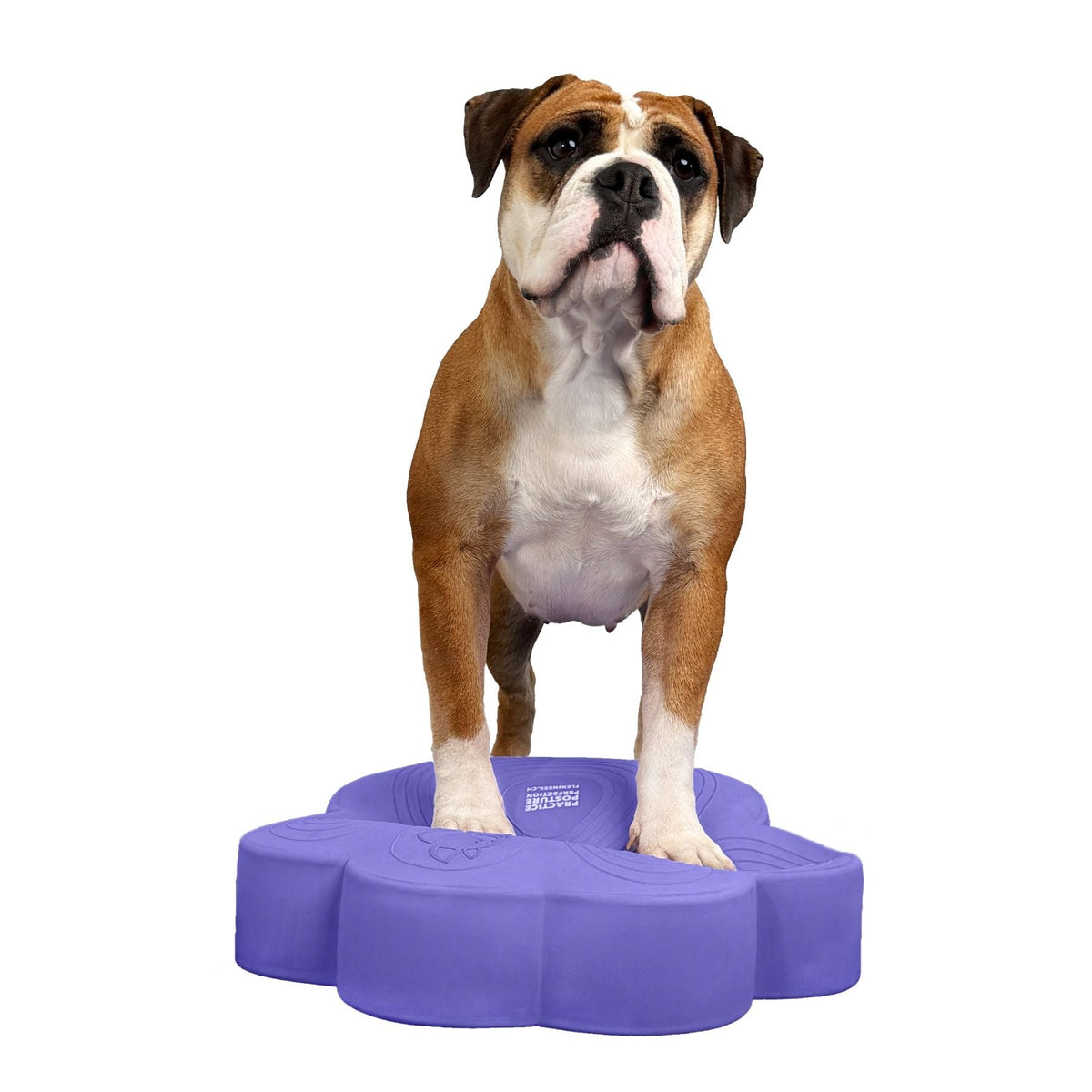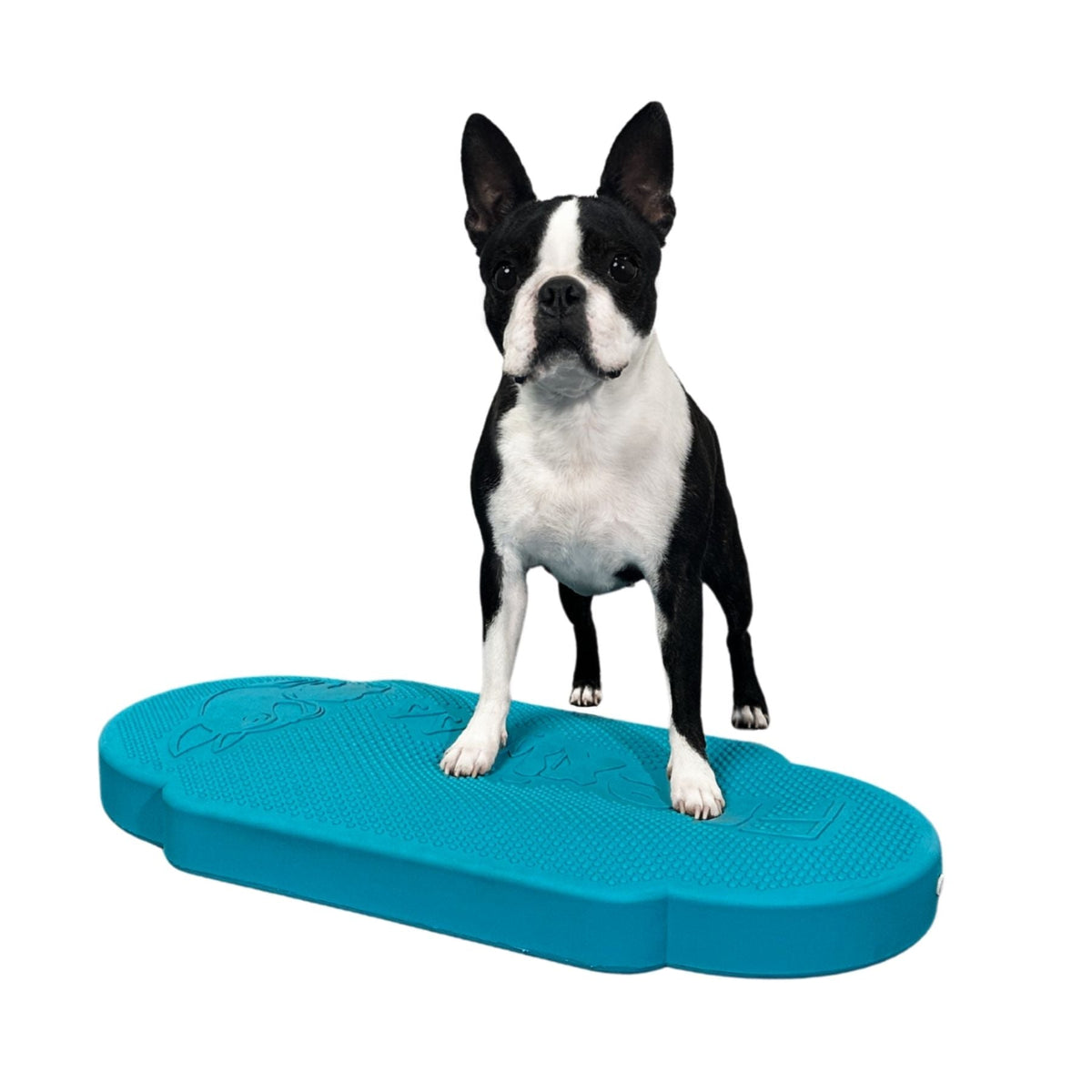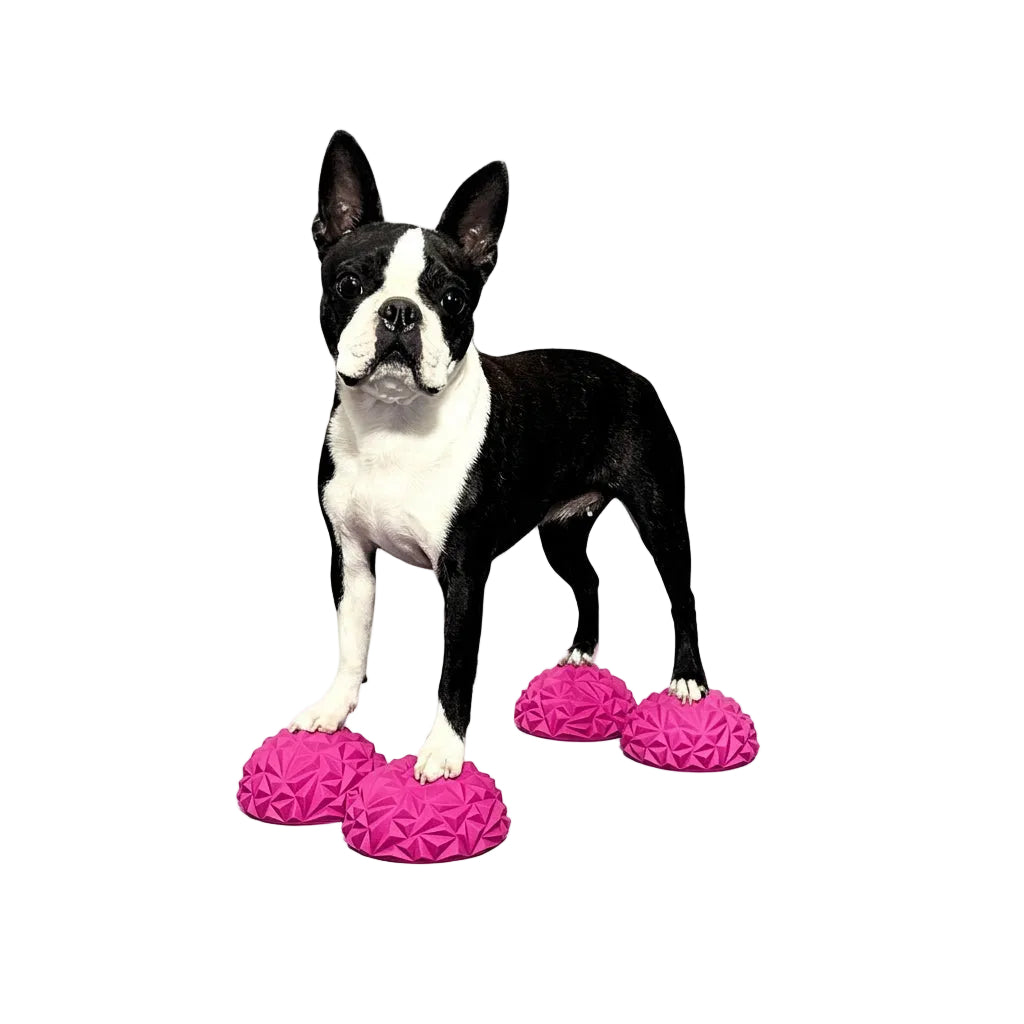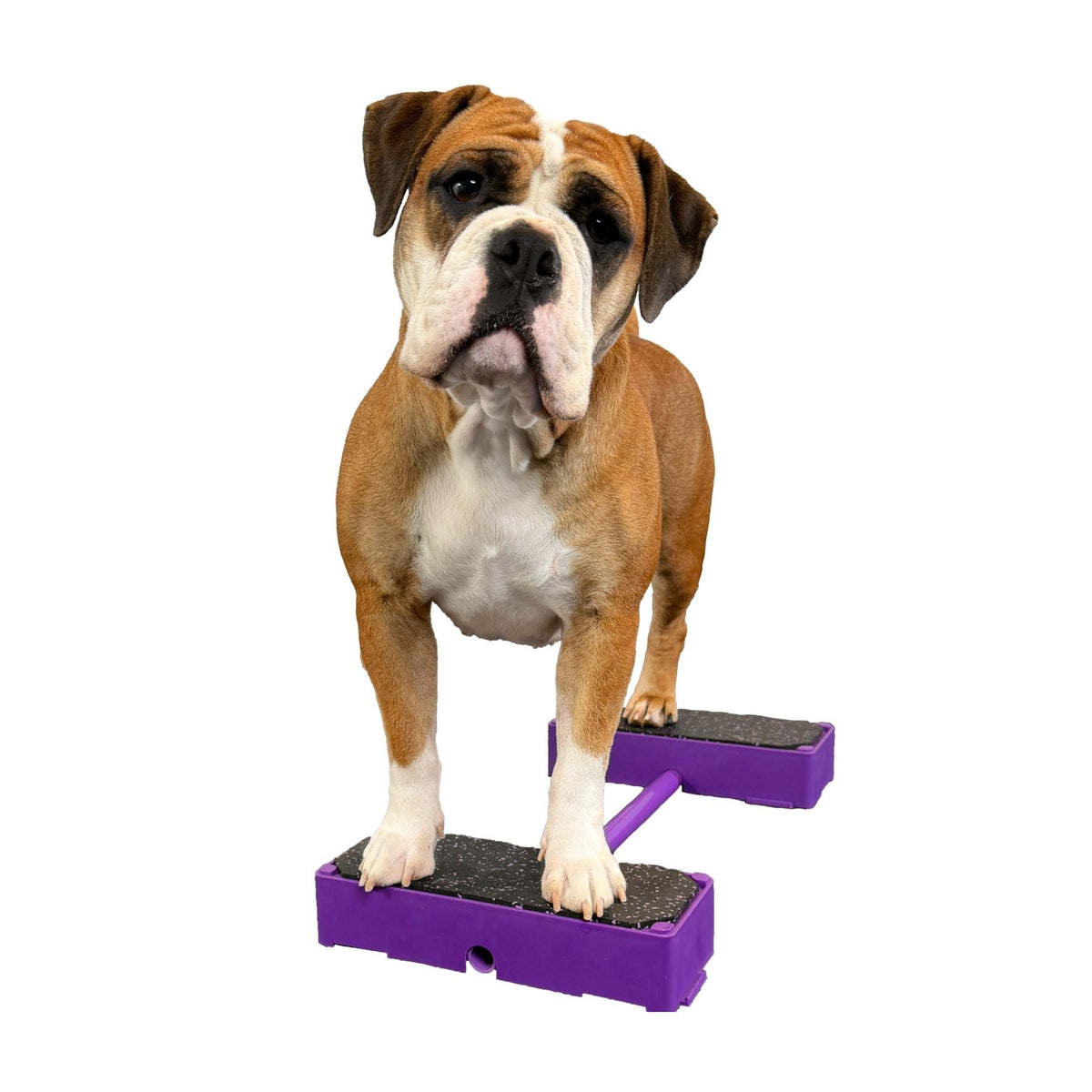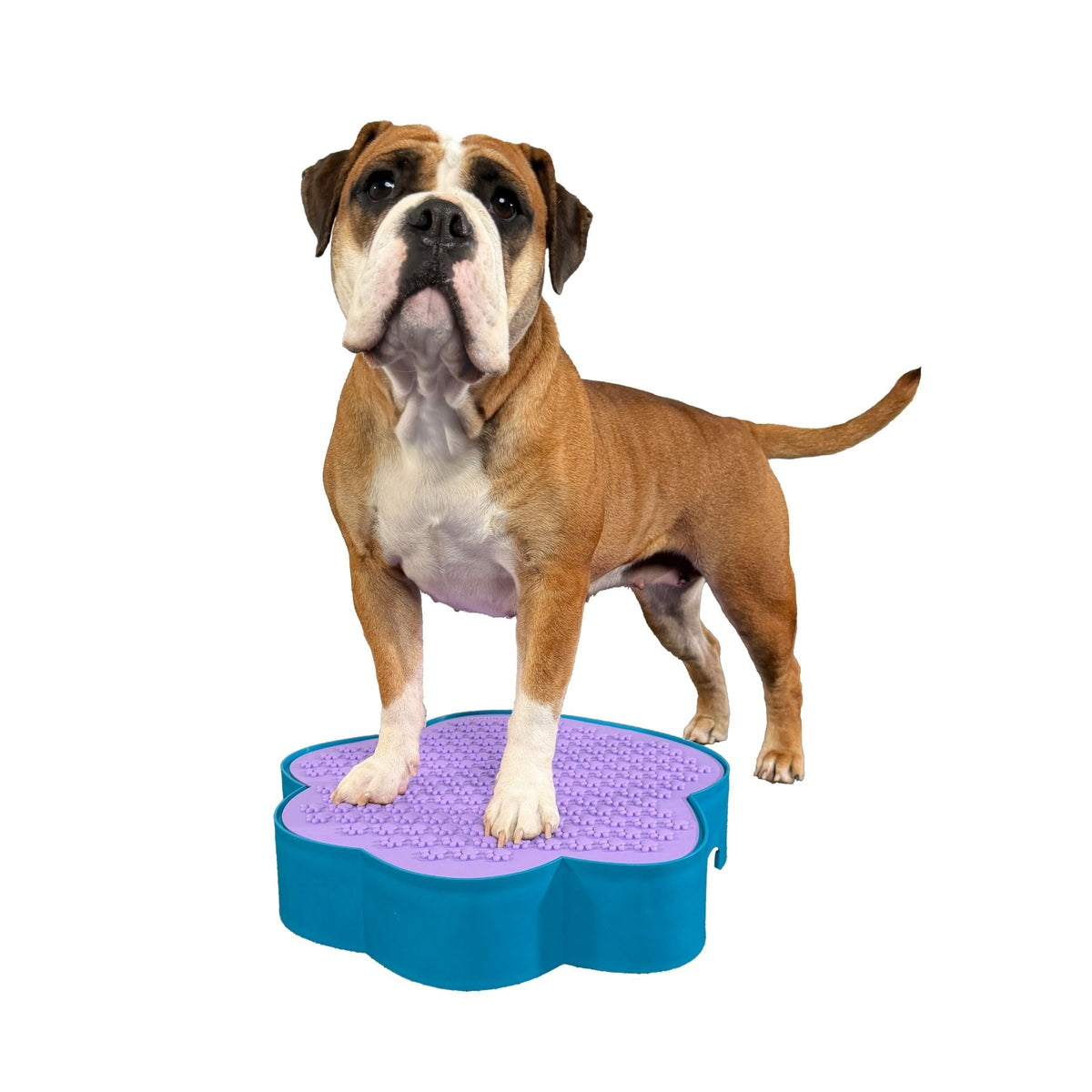

Why PawStackers Are More Than Just “Small Platforms”
At first glance, canine stacking equipment can look very similar.
A raised surface is a raised surface. A paw target is a paw target. A stacker is a stacker.
But when you start looking at how dogs actually organize their bodies on the equipment, the differences become impossible to ignore.
Because in canine fitness and stacking work, size matters. Surface matters. Application matters.
And that’s exactly why Flexiness® PawStackers were designed the way they are.
 |
 |
The Goal Is Not Just “Standing”
When a dog stands on PawStackers, the goal is not simply to keep four feet elevated.
The goal is quality posture:
- centered balance
- clean alignment
- organized weight distribution
- active stabilization
- controlled body awareness
A dog should be able to stand on the equipment without constantly compensating because the surface is too large, too wide, too unstable, or poorly proportioned. And this is where many products that “look similar” start behaving very differently.
Bigger Is Not Automatically Better
Years ago, we made the conscious decision to move away from oversized “human feet size” versions.
Why? Because dogs are not built like humans.
Their paws are smaller. Their loading patterns are different. Their balance strategies are different. Their stance width and limb mechanics are entirely different from ours.
Human feet sized Stackers often encourage:
- unnecessary stance widening
- unstable weight shifts
- collapsing posture
- outward paw rotation
- reduced postural organization
In some situations, those compensations can absolutely be used intentionally in training or rehabilitation.
But that should be a conscious choice made by the trainer — not an accidental result of equipment that simply doesn’t fit the dog. That distinction matters.
 |
 |
Why Size Is So Important
One of the core principles behind Flexiness® PawStackers is functional sizing.
The dog should be able to stand:
- balanced
- centered
- aligned
- and biomechanically organized
without “searching” for stability. That’s why our PawStackers are intentionally designed around canine proportions.
Every detail influences how the dog interacts with the surface:
- diameter
- height
- firmness
- edge behavior
- grip
- pressure response
- spacing possibilities
- pattern
None of these choices are random.
Small Dogs Are Not Just “Mini Versions” of Big Dogs
One topic I’ve been thinking about for years is creating even more refined solutions for dogs with:
- narrower chests
- tiny paws
- compact structures
- unique proportions
And interestingly, the challenge is not creating a smaller shape. The real challenge is maintaining proper function.
Once equipment becomes smaller:
- air regulation becomes more sensitive
- material response changes faster
- pressure distribution becomes more difficult
- stability can disappear quickly
- surfaces can become too hard far too easily
In some ways, smaller equipment is actually harder to engineer properly than larger versions.
Because the goal wasn’t simply making miniature PawStackers. The goal was preserving correct biomechanics at a smaller scale. And that requires careful testing, refinement, and a deep understanding of canine movement.
PawStackers Were Never Designed to Be “Trendy”
At Flexiness®, we don’t design products just because they look good in photos.
Our PawStackers were created to support:
- better posture
- cleaner alignment
- smarter stabilization
- intentional movement
- real canine fitness principles
Yes, aesthetics matter.
But functionality comes first.
Always.
Because “same same” is very often not the same at all.
Train smart with Flexiness®.